Learn proven 5 Effective Ways to Avoid Muscle Cramps During Sports strategies to prevent exercise associated muscle cramps and stay at peak performance during competitions and training sessions.
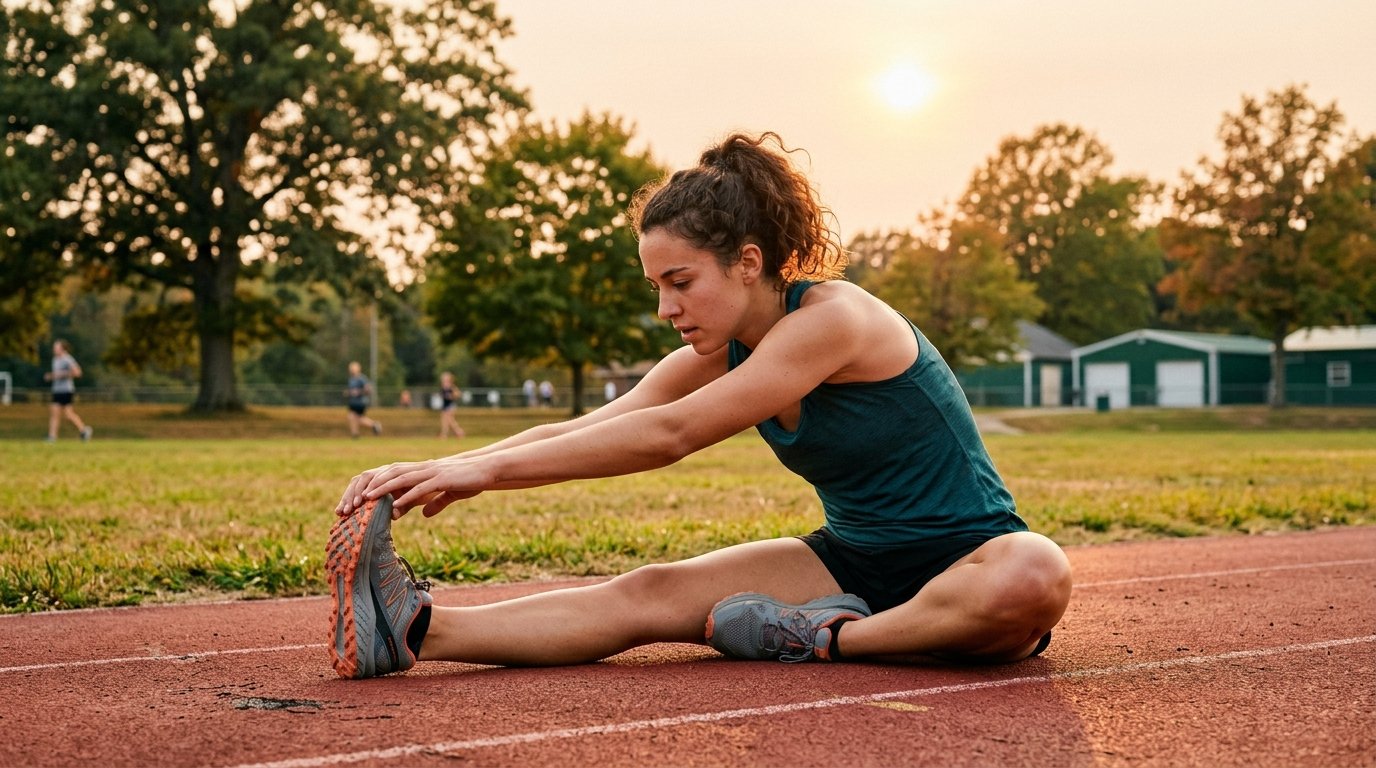
Athlete stretching before training to stay flexible and injury-free.
Introduction
Muscle cramps during sports are one of the most frustrating experiences any athlete can face. Whether you’re running a marathon, playing tennis, or competing in a triathlon, a sudden muscle cramp can derail your performance and leave you on the sidelines. This blog is covered by zainblogs. The challenge? Nobody knows the complete story about why they occur. Studies show that muscle cramps affect between 40 to 95% of athletes at some point in their careers making them incredibly common yet poorly understood. The concept of 5 Effective Ways to Avoid Muscle Cramps DuringSports is important for every athlete who wants consistent results.
This comprehensive guide explores the latest evidence-based strategies to prevent and manage exercise-associated muscle cramps (EAMC). Unlike many articles online that perpetuate outdated myths, we’ll cover what research actually shows works and what doesn’t. This website is best for 5 Effective Ways to Avoid Muscle Cramps During Sports. Understanding 5 Effective Ways to Avoid Muscle Cramps During Sports can help reduce this risk and improve endurance.
Why Muscle Cramps Happen During Sports
Before we discuss prevention, it’s essential to understand what causes muscle cramps. Two main theories dominate the scientific discussion:
Theory 1: The Dehydration and Electrolyte Imbalance Theory
For over a century, researchers studying 5 Effective Ways to Avoid Muscle Cramps During Sports believed that dehydration and loss of electrolytes particularly sodium caused muscle cramps. This theory stems from a classic 1936 study by Dr. R.A. McCance, who documented that salt depletion led to severe cramping in his test subjects. When they reintroduced salt into their diet, their cramps disappeared within minutes.
More recent case studies related to 5Effective Ways to Avoid Muscle Cramps During Sports support this theory. For example, a 1996 study by Dr. Michael Bergeron documented a tennis player who suffered regular cramps during tournaments. By increasing his dietary sodium intake, he completely eliminated his heat cramps during competition and training. Among athletes surveyed by Precision Hydration, 89% reported that supplementing with sodium helped them manage or eliminate exercise-associated muscle cramps.
However, it’s important to note: while there’s compelling circumstantial evidence, large-scale randomized controlled trials have been limited, which is why some modern researchers debate this theory’s validity.
Theory 2: The Neuromuscular Fatigue Theory
This newer theory, often discussed in 5 Effective Ways to Avoid Muscle Cramps During Sports, proposes that muscle overload and neuromuscular fatigue are the root causes of muscle cramps. According to this hypothesis, when muscles become exhausted, there’s an imbalance between excitatory impulses from muscle spindles and inhibitory impulses from Golgi tendon organs. This electrical misfiring in overworked muscles causes cramping.
The strongest evidence for this theory is that stretching the affected muscle almost universally relieves an active cramp immediately. This works because stretching invokes activity from the Golgi Tendon Organs, which tell the muscle to relax. The idea behind 5 Effective Ways to Avoid Muscle Cramps During Sports includes understanding how muscle fatigue and electrolyte imbalance affect performance.
The Reality: It’s Likely Both
Modern sports science suggests that muscle cramps probably have multiple causes, and different athletes may experience cramps for different reasons. Some may struggle with electrolyte imbalances, others with neuromuscular fatigue, and many with a combination of both. This is why a multi-pronged prevention strategy “5 Effective Ways to Avoid Muscle Cramps During Sports” works best. Here is a helpful guide on https://pmc.ncbi.nlm.nih.gov/articles/PMC6901412/
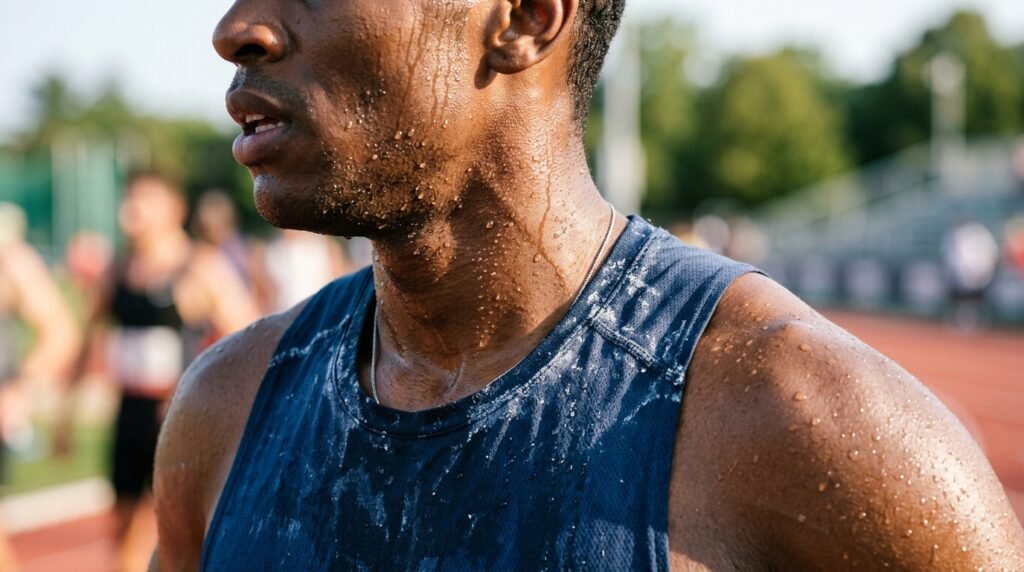
Sweat and salt loss during exercise highlight the importance of staying hydrated.
Common Cramp Prevention Myths Debunked
Before diving into what actually works, let’s address what doesn’t. Practicing 5 Effective Ways to Avoid Muscle Cramps During Sports includes maintaining electrolyte balance, warming up properly, and improving muscle strength.
Many well-intentioned athletes follow advice that research shows is ineffective:
Myth 1: Stretching Prevents Future Cramps
While stretching is the gold standard for relieving an active cramp, research shows it does NOT prevent future cramping. A study by Nelson et al. (2016) confirmed that stretching may feel beneficial, but it has no preventative effect on exercise-associated muscle cramps. This highlights the importance of “5 Effective Ways to Avoid Muscle Cramps During Sports” as part of a broader prevention strategy.
Myth 2: Just Drink More Water
Several prospective cohort studies related to 5 Effective Ways to Avoid Muscle Cramps During Sports found no direct association between dehydration and muscle cramping. While staying hydrated is important for overall sports performance, drinking water alone won’t prevent cramps. The missing piece? Most people aren’t replacing the right electrolytes.
Myth 3: Eat a Banana to Prevent Cramps
This widespread myth persists because bananas contain potassium. However, research shows that low potassium (hypokalemia) is not associated with muscle cramping, nor do potassium levels in the blood change quickly enough after eating a banana to prevent cramps. One medium banana contains about 25 grams of carbohydrates which can help fuel your muscles but the potassium won’t prevent cramping. Many athletes misunderstand 5 Effective Ways to Avoid Muscle Cramps During Sports, believing that simple water intake or bananas alone can prevent cramps
Myth 4: Magnesium Supplements Will Stop Cramps
A 2012 Cochrane review by Garrison et al. concluded that magnesium supplementation is unlikely to provide clinically meaningful cramp prevention. While magnesium plays a role in muscle function, the research simply doesn’t support taking extra magnesium to prevent exercise-associated cramps. Here is a helpful guideline on https://www.massgeneralbrigham.org/en/about/newsroom/articles/nutrition-tips-to-prevent-cramps
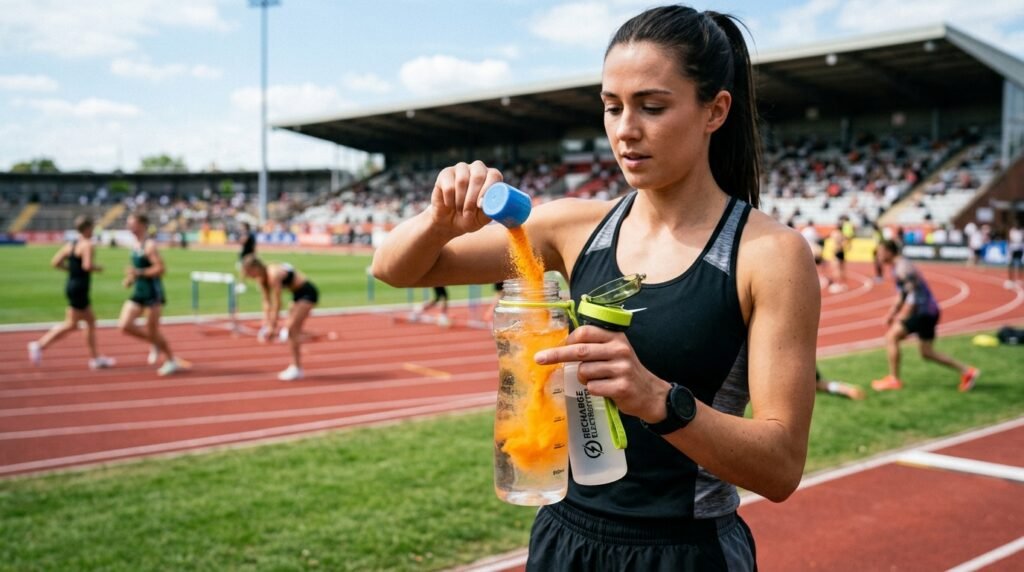
Electrolyte drink being mixed in a sports bottle, fueling hydration for peak performance.
Evidence-Based Strategies to Prevent Muscle Cramps
Now for the strategies that research actually supports. Athletes following 5 Effective Ways to Avoid Muscle Cramps During Sports often focus on hydration, sodium intake, and proper conditioning to reduce cramps. Here’s what you need to do:
Strategy 1: Add Extra Sodium The Game-Changer
This is the most proven intervention from 5 Effective Ways to Avoid Muscle Cramps During Sports for preventing muscle cramps. If you experience cramping during or after periods of heavy sweating, in hot weather, or during long activities, sodium supplementation should be your first strategy.
Here’s the problem with most sports drinks: they contain far too little sodium. Most commercial sports drinks provide only 300-500 mg of sodium per liter (32 oz). Human sweat, by contrast, contains over 900 mg of sodium per liter on average and some athletes lose as much as 1,500 mg or more per liter. Athletes who apply 5 Effective Ways to Avoid Muscle Cramps During Sports in their routine often experience better endurance and fewer cramps during long sessions.
For effective cramp prevention, aim for 1,000-1,500 mg of sodium per liter of fluid. You can achieve this by:
• Choosing high-electrolyte sports drinks with at least 1,000 mg sodium per liter
• Adding salt directly to isotonic drinks (mix 3g of salt into 750ml of drink)
• Consuming salt capsules alongside water
Remember: table salt (NaCl) is only 39% sodium, so you need about 3 grams of table salt to get 1,170 mg of sodium.
Practical tip from 5 Effective Ways to Avoid Muscle Cramps During Sports: Start taking extra sodium in the hours immediately before and during activities that normally cause cramping. You’ll know quickly if it works, and you can fine-tune your dosage to balance cramp prevention with stomach comfort.
Strategy 2: Fuel Your Muscles with Adequate Carbohydrates
Muscle fatigue is a significant risk factor for cramping. One way to delay fatigue is to maintain adequate energy stores by consuming carbohydrates.
Before competition:
• Eat a carbohydrate-rich meal 2-3 hours before exercise (pasta, rice, oats)
During competition:
• Consume 30-60 grams of carbohydrates per hour
• Use isotonic drinks (6-8g carbs per 100ml) for faster absorption
• Consider energy gels, sports drinks, or bananas as fuel
Pro tip: You can make your own isotonic sports drink by mixing orange juice and water in a 1:1 ratio. This provides carbohydrates while costing far less than commercial sports drinks, supporting “5 Effective Ways to Avoid Muscle Cramps During Sports”.
Strategy 3: Use TRP Agonists for Rapid Cramp Relief
An emerging strategy in 5 Effective Ways to Avoid Muscle Cramps During Sports involves using substances that stimulate transient receptor potential (TRP) channels in your mouth. These channels connect directly to your central nervous system and can provide nearly instant relief of active cramps.
Substances that stimulate TRP channels include:
• Mustard (yellow or spicy)
• Pickle juice
• Wasabi
• Ginger
• Cayenne pepper
• Cinnamon
A 2017 study by Craighead et al., discussed in 5 Effective Ways to Avoid Muscle Cramps During Sports, found that consuming these TRP agonists significantly reduced muscle cramps by decreasing alpha motor neuron hyperexcitability. The best part? It works almost instantly unlike sodium, which takes several minutes to be absorbed into the bloodstream.
Practical application: Keep a tube of mustard or a small container of TRP agonist in your sports bag. Consuming 500–750 mg (depending on the substance) at the first sign of a cramp can provide rapid relief, aligning with “5 Effective Ways to Avoid Muscle Cramps During Sports”.Here is a helpful guideline on https://www.franciscanhealth.org/community/blog/8-ways-to-prevent-cramps-while-running
Strategy 4: Proper Warm-Up and Gradual Intensity Progression
Adequate preparation significantly reduces cramp risk. Follow these guidelines:
• Begin with a thorough dynamic warm-up light exercises and dynamic stretches prepare muscles for exertion
• Progress your training intensity gradually avoid sudden spikes in workload
• Train specifically for your sport your body needs to be conditioned for the specific demands you’ll face
• Pace yourself appropriately consider fitness level and environmental conditions
• Taper before competition arrive fresh and well-rested, not fatigued
Strategy 5: Targeted Strength and Plyometric Training
Perhaps the most important long-term strategy is improving your physical conditioning. Research shows that fitter athletes experience fewer cramps. This happens because:
• Improved neuromuscular control delays fatigue
• Stronger muscles are more resistant to fatigue-induced cramping
• Beneficial adaptations occur in muscle fibers and Golgi tendon organs
Recommended training approaches:
• Plyometric training 2-3 times weekly (jump training, bounding)
• Resistance training of affected muscle groups
• Sport-specific endurance training
• Strength training for stabilizing muscles in your kinetic chain
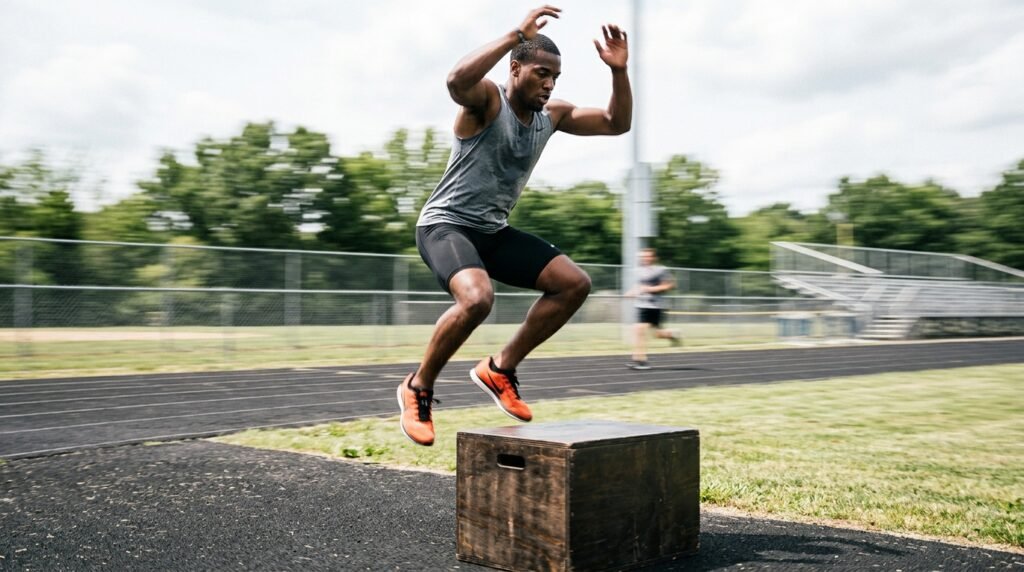
Explosive plyometric jump in action, powering strength, speed, and athletic performance.
What to Do When a Cramp Strikes
Despite your best prevention efforts, a cramp may still occur. Here’s your action plan:
Immediate Steps
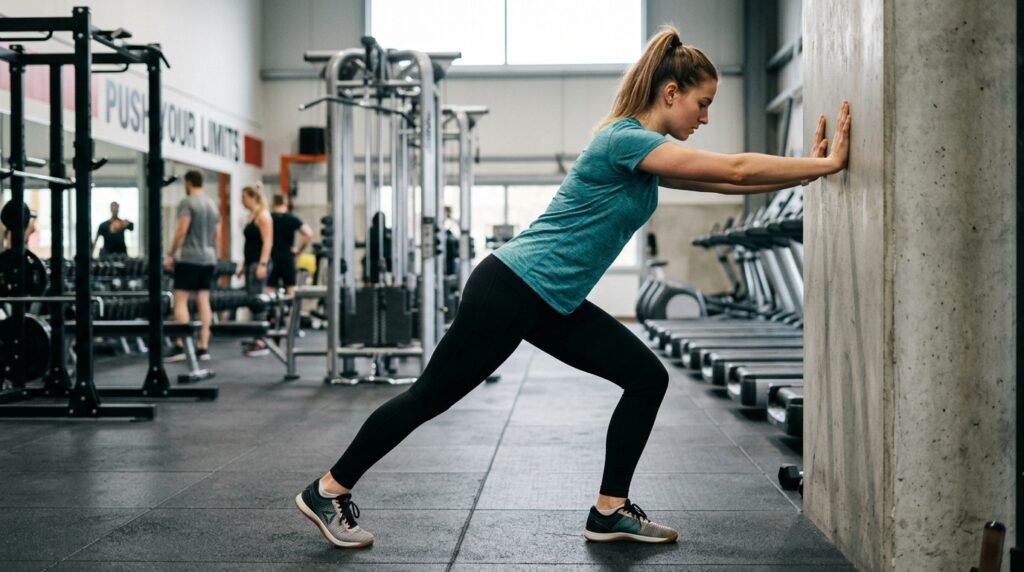
1. Stretch the affected muscle: If experiencing a calf cramp, perform a standing calf stretch against a wall. Hold for 15-30 seconds.
2. Apply pressure: Direct pressure on the cramping muscle can help trigger the Golgi tendon organs to relax the muscle.
3. Use TRP agonists: Consume mustard, wasabi, or other TRP-stimulating substances for rapid relief.
4. Cool the area: Apply ice, a cooling gel, or a cool towel to decrease muscle excitability.
5. Massage gently: Light massage of the affected muscle can help break the cramp cycle.
Calf stretch against a wall demonstrating proper form for improved flexibility and injury prevention.
Creating Your Personal Cramp Prevention Plan
Since different athletes respond differently to various interventions, the best approach is to experiment systematically:
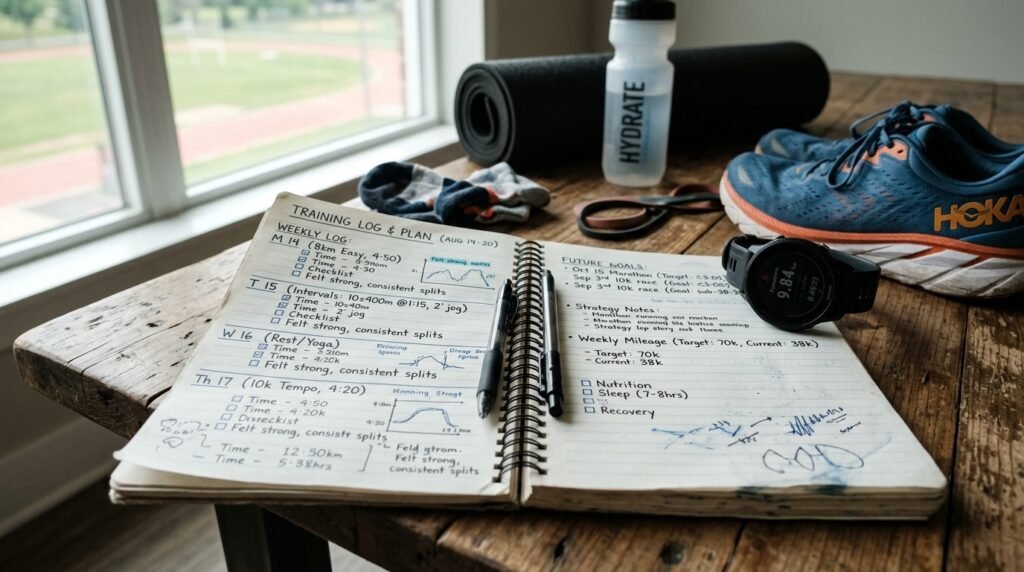
Keep a Cramping Diary
Track the following for each training session or competition:
• Whether you experienced cramping and its severity
Over time, patterns will emerge that show you which interventions work best for your body.
Test One Variable at a Time
Implement one cramp-prevention strategy for several training sessions before adding another. This way, you’ll know which strategies actually make a difference for you, as part of “5 Effective Ways to Avoid Muscle Cramps During Sports”.
Athlete’s training journal with notes and gear, planning performance and progress under natural light.
Frequently Asked Questions About Muscle Cramps
Q: How much sodium should I consume during exercise?
A: Aim for 1,000-1,500 mg of sodium per hour during exercise, especially if you experience heavy sweating. Drink 1-2 liters of fluid per hour or 200-400 ml every changeover in your sport. Check your sweat rate to determine your specific needs some athletes lose more sodium than others.
Q: Can dehydration cause muscle cramps?
A: While dehydration affects athletic performance, research doesn’t show a direct causative link to muscle cramping. However, losing excessive fluids without replacing electrolytes particularly sodium is problematic. The key is maintaining electrolyte balance, not just fluid intake.
Q: Why do cramps often return shortly after stretching?
A: In 5 Effective Ways to Avoid Muscle Cramps During Sports, stretching is known to relieve an acute cramp but doesn’t address the underlying cause. If the cause is neuromuscular fatigue or electrolyte depletion, the cramp will likely return when the muscle becomes fatigued again. This is why prevention is so important.
Q: Are compression stockings effective for cramp prevention?
A: While some athletes report personal success with compression stockings, no scientific studies have evaluated their effectiveness for exercise-associated muscle cramps. They may help with circulation and muscle support, but evidence is lacking. You can experiment to see if they help you personally.
Q: Should I stretch before or after exercise to prevent cramps?
A: Dynamic stretching (light, moving stretches) before exercise prepares your muscles for activity. Static stretching (holding stretches) is best saved for after exercise during your cool-down. However, remember that neither prevents future cramps their primary benefits are improved range of motion and muscle preparation.
Q: If I experience chronic cramping despite trying these strategies, what should I do?
A: Consult a physician or sports medicine specialist. Certain medical conditions, such as peripheral artery disease or nerve damage, can cause cramping. A healthcare provider can rule out underlying issues and help you develop a personalized cramp-prevention plan.
Q: Is pickle juice really an effective cramp remedy?
A: Pickle juice can provide rapid relief because the acetic acid it contains stimulates TRP channels in your mouth, signaling your nervous system to relax the cramp. However, it’s not the sodium content providing the benefit it’s the acetic acid working nearly instantly. Mustard and other TRP agonists work similarly.
Q: How long does it take for sodium supplementation to prevent cramps?
A: Athletes often notice improvements within a single competition or training session. For long-term prevention, consistent sodium supplementation during activities that previously caused cramping typically shows benefits within a few weeks of regular training.
Conclusion: Take Action for Cramp-Free Performance
Muscle cramps during sports don’t have to end your performance or sideline your goals. While we don’t yet have a complete scientific understanding of cramping, decades of research and athlete experiences point to proven prevention strategies. Following 5 Effective Ways to Avoid Muscle Cramps During Sports consistently can help athletes improve performance, prevent injuries, and stay competitive.
The most important takeaway from 5 Effective Ways to Avoid Muscle Cramps During Sports is to adopt a multi-pronged approach. No single solution works for everyone, but combining adequate sodium intake, proper carbohydrate fueling, sport-specific training, and appropriate warm-ups addresses the multiple underlying factors that cause cramping.
Start with the strategies most relevant to your situation. If you frequently cramp during long, hot activities with heavy sweating, prioritize sodium supplementation. If cramping happens late in competitions when fatigue sets in, focus on carbohydrate fueling and neuromuscular conditioning. And always have a TRP agonist like mustard on hand for when cramps do strike.
Remember: in 5 Effective Ways to Avoid Muscle Cramps During Sports, the fitter you are, the less prone you’ll be to cramping. Invest in your long-term conditioning through sport-specific training, and you’ll likely find that muscle cramps become a rare occurrence rather than a regular frustration.
Need Professional Guidance?
If you are following 5 Effective Ways to Avoid Muscle Cramps During Sports, but still experience persistent, severe cramping that doesn’t respond to these interventions, consult with a sports medicine specialist, physical therapist, or your physician. They can help identify underlying causes and develop a personalized prevention plan tailored to your specific needs.